How to Remove Scuffs and Stains from Walls
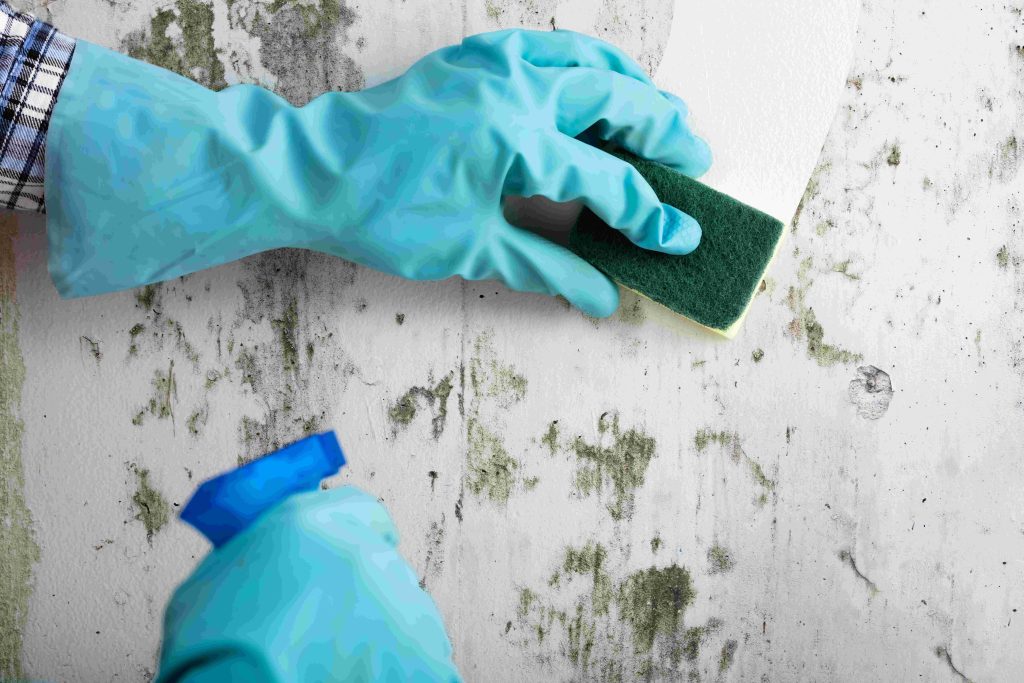
Cleaning the affected area as soon as you notice the damage yields the best results and reduces the need for paint touch-ups. Begin by gently removing the stain and gradually work your way up until the scuff mark is no longer visible. Water or a melamine sponge should do the trick without harming the paint, but depending on the scope of your cleaning project, more aggressive methods may be required. This blog will teach you how to properly clean walls to remove scuffs and stains.
What causes wall scuffs and stains?
It's critical to understand what causes scuffs and stains on your walls if you want to keep them clean and free of them.
Paint, sweat, oils from the skin or food, and dust are the four main culprits. The only one that requires any effort on your part is painting a wall; the other three can be combated with common household items such as vinegar for grease problems and alcohol for paint spills.
However, because each attack has its own set of requirements, there is no single recipe for success against them.
What Should You Do?
Wet a soft cloth and wring it out thoroughly. Using the dampened cloth, buff the scuff mark lightly, increasing the pressure as you go. Avoid the surrounding area by keeping your brush directly over the scuff mark. If the scuff mark has vanished, wipe the wall with a soft, dry cloth. Switch to a different cleaning method if it doesn't work.
After dampening a melamine cleaning sponge, wring it out. Scrub the scuff mark in circles, up and down, and left to right. If the scuff mark is still visible, use a more aggressive cleaning method.
Half-fill a medium mixing bowl with warm water and a few drops of liquid dish detergent. Soak a clean rag in the solution for a few minutes and then wring it out before scrubbing the scuff mark away. On the wall, don't use too much paint. If you're making progress with the scuff mark but need a little more strength, drop a drop of liquid dish detergent directly on the rag and scrub again.
To remove stubborn scuff marks, use an all-purpose household cleaner. Using a rag soaked in the cleaner, scrub the mark. If that doesn't work, spritz the wall directly with water and scrub it again. As an alternative, make a paste with baking soda and water. Using the end of a clean cloth, scrub the mark with a small amount of the paste.
Wipe down the cleaned area with a damp rag. Wipe the wall dry with a clean cloth.
Scuffs on the surface
Feel the wall where the mark is with your hand. If it's indented or noticeably rougher than the wall around it, lightly sand the area with fine-grit sandpaper. After two passes, feel it once more. Repeat until the entire area is smooth. Do not attempt to remove the finish. Stay away from the surrounding wall and concentrate your efforts on the damaged area. Wipe the dust away with a damp cloth.
After thoroughly mixing a can of touch-up paint, pour some into a small plastic dish. Bring a paint chip from the wall (at least the size of a quarter) to a paint specialist for a custom match if you don't have touch-up paint. Make no attempt to match a color based solely on its name.
Dilute the oil-based touch-up paint with a paint reducer according to the manufacturer's instructions. This slows down the drying time of the paint, which helps the patch blend in with the surrounding area. Dilute latex paint with water instead of using a paint reducer.
Dip the end of a paintbrush into the paint. Wipe away any excess paint with a paper towel. Stipple a thin, even coat of paint onto the wall, staying directly over the damage. Allow enough time for the paint to dry completely.
If you need it done by a professional you can always look for a painter Sydney has.


Comments
Post a Comment